Light Barrier Cable
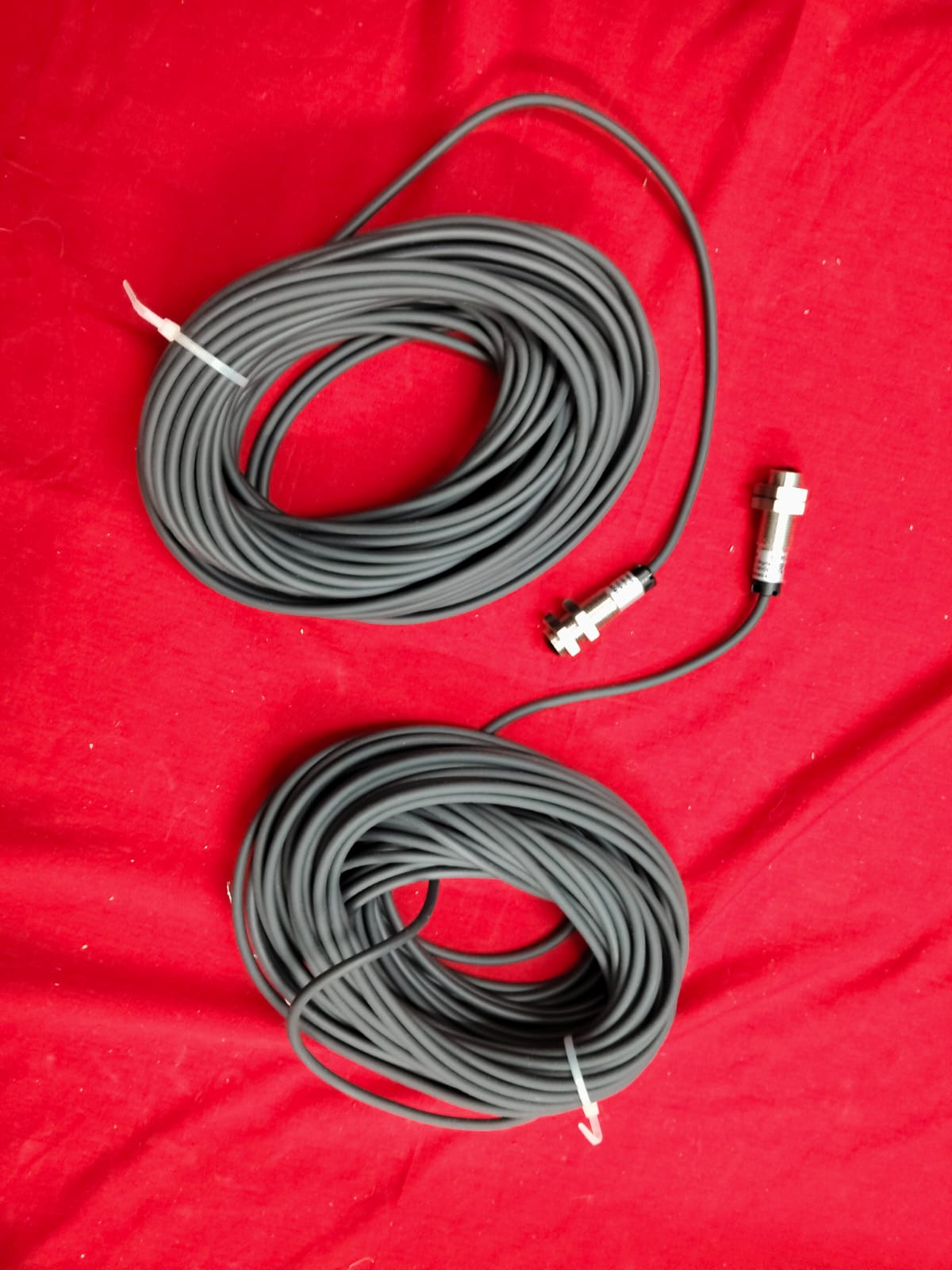
Light Barrier Cable
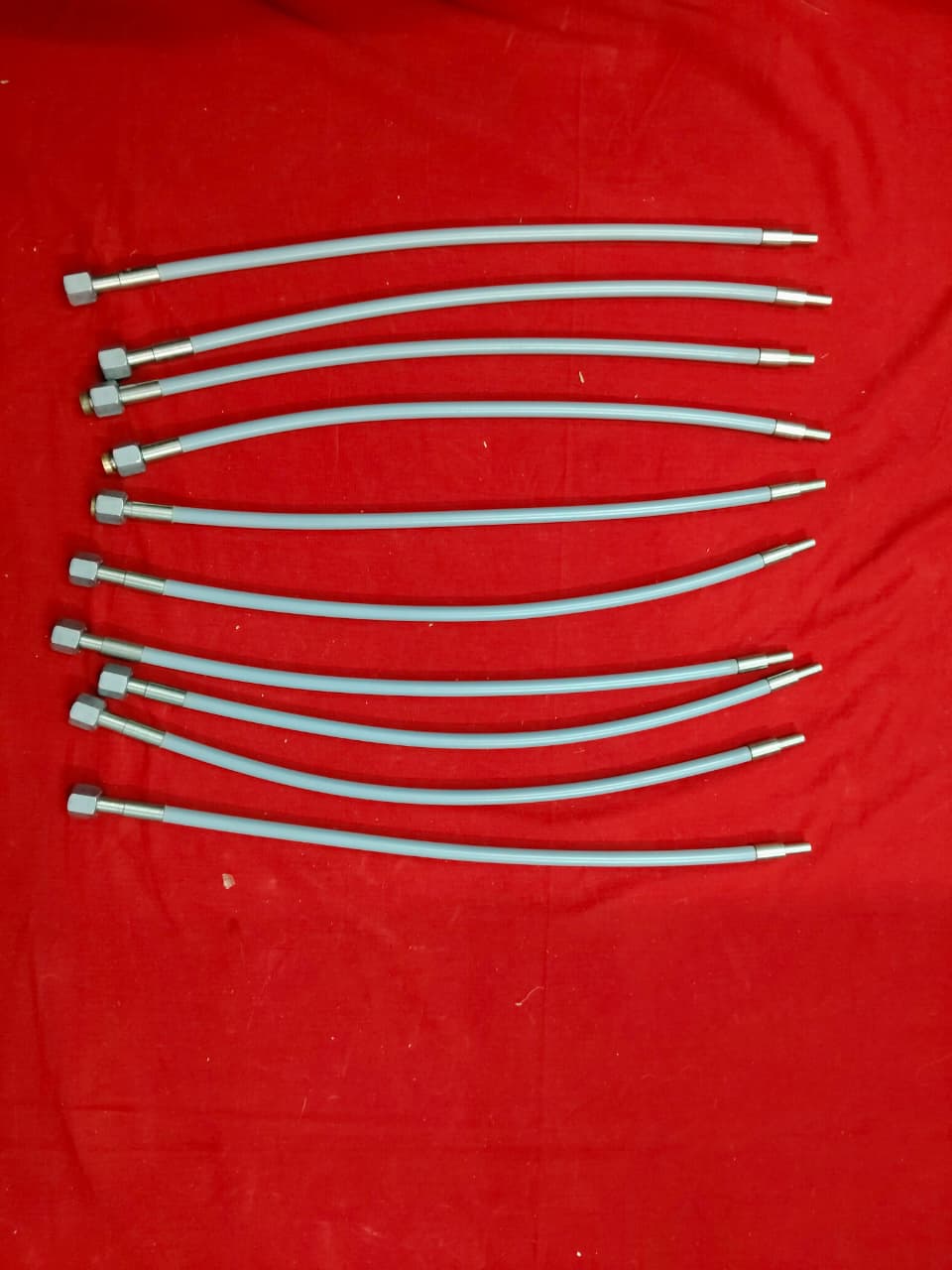
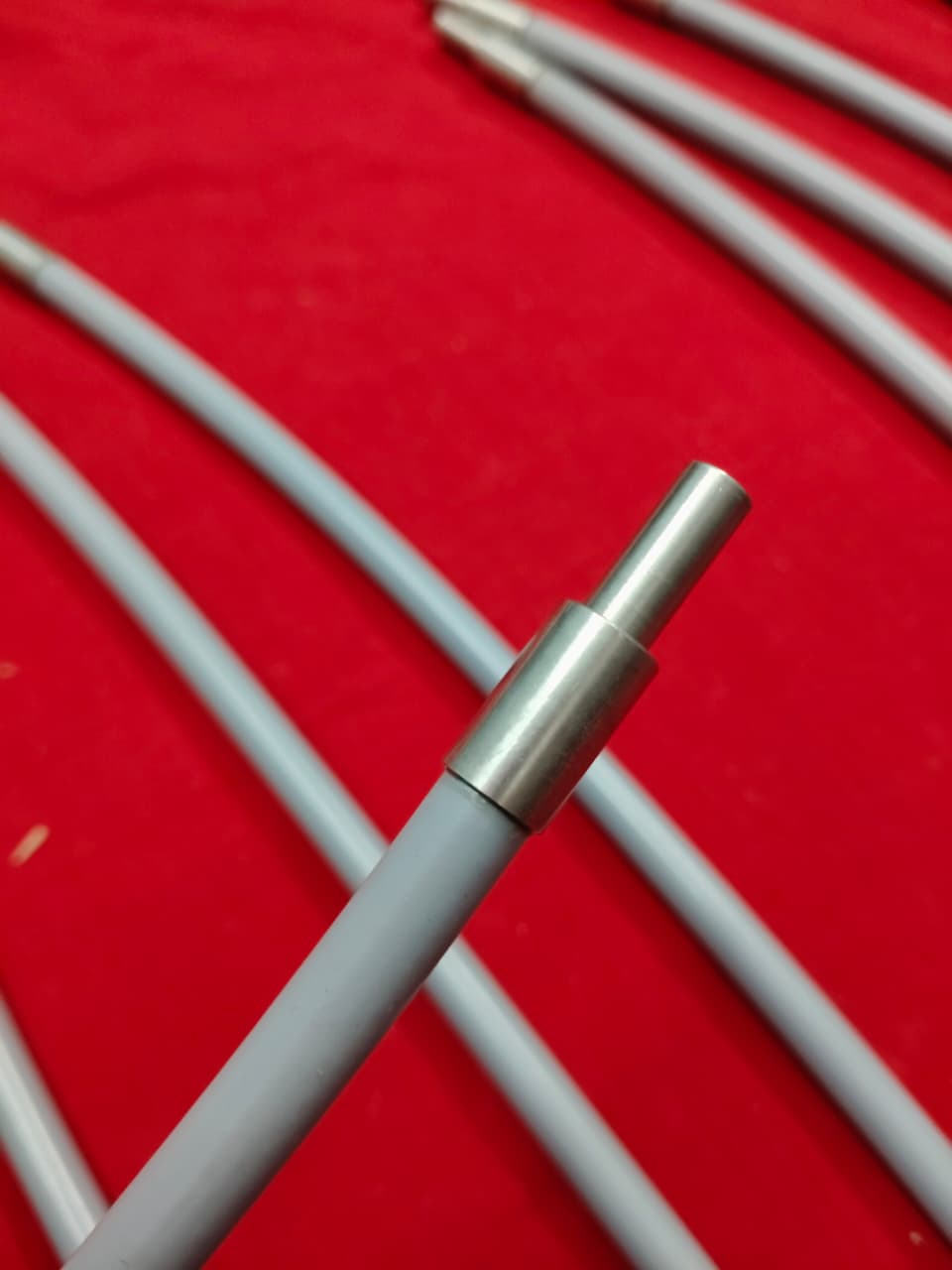
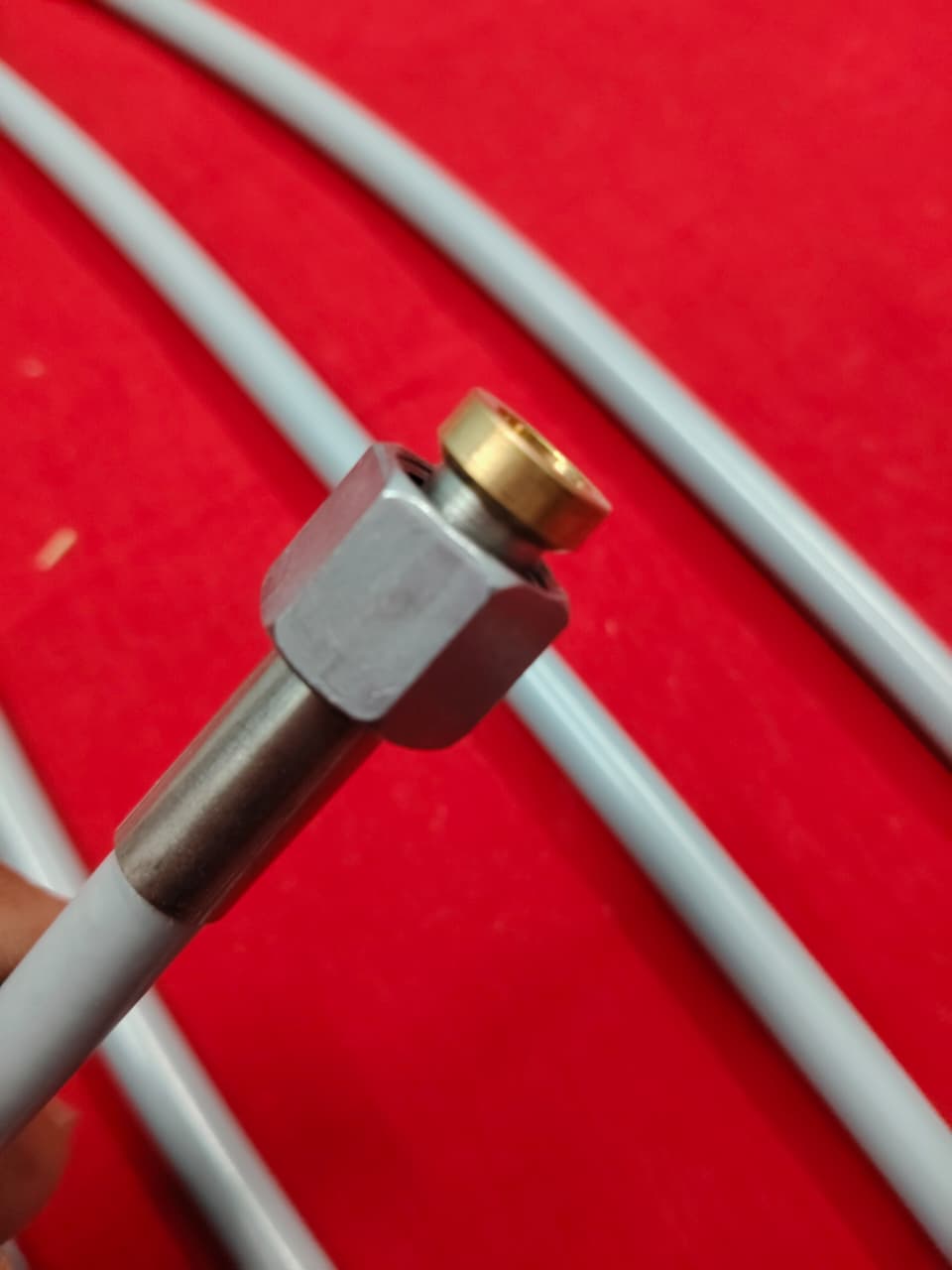
A light barrier cable is a special type of cable used to connect photoelectric sensors or light barrier systems in industrial automation. These cables are used to transmit signals between the transmitter, receiver, and control units. They play an important role in many industrial applications such as textile machines, conveyor systems, and packaging lines. Light barrier cables are designed with strong insulation to protect against dust, moisture, oil, and mechanical damage. They usually come with PVC or PUR outer jackets, making them flexible and durable for continuous use. In application control and automation systems, these cables ensure stable signal transmission, which is necessary for accurate object detection. They are available in different lengths and connector types, such as M8 or M12 connectors, for easy installation. Overall, light barrier cables are essential for maintaining reliable sensor performance and smooth operation in automated industrial environments.
OVERVIEW
A light barrier cable is an important component used in sensor systems for various industrial applications. It is specially designed to connect light barrier sensors, transmitters, and receivers, ensuring smooth and accurate signal transmission. In industries, these cables help maintain reliable communication between devices, which is very important for proper machine operation.
In textile dyeing machinery spare parts, light barrier cables are widely used to support sensors that monitor fabric movement, position, and process flow. This helps improve production accuracy and reduces errors during dyeing and finishing processes. The cables are made with strong insulation materials like PVC or PUR, which protect them from heat, moisture, chemicals, and mechanical stress.
They are flexible, durable, and suitable for continuous use in tough environments. Easy installation and compatibility with standard connectors make them user-friendly. Overall, light barrier cables play a key role in ensuring stable performance and efficient operation in modern industrial systems.
SPECIFICATION
Cable Type: Sensor / photoelectric light barrier cable
Conductor Material: Copper (multi-strand for flexibility)
Number of Cores: 2 core, 3 core, or 4 core (depending on sensor)
Wire Size: Typically 0.14 mm² to 0.75 mm²
Insulation Material: PVC / PUR (Polyurethane)
Outer Jacket: Oil-resistant, abrasion-resistant PVC or PUR
Operating Voltage: Up to 300 V (typical for sensor cables)
Temperature Range: -20°C to +80°C (varies by type)
Protection Class: IP65 / IP67 (with proper connectors)
Connector Type: M8 / M12 or open wire ends
Cable Length: Standard 2 m, 5 m, 10 m (custom lengths available)
Shielding: Optional (for noise protection)
Flexibility: High (suitable for moving applications)
FEATURES
Light barrier cables offer many important features for reliable performance in industrial applications. They are designed with high-quality copper conductors, which ensure stable and accurate signal transmission between sensors and control systems. These cables have strong insulation made from PVC or PUR, providing excellent resistance to heat, moisture, oil, and chemicals. This makes them suitable for tough working conditions.
In textile dyeing machinery spare parts, light barrier cables are widely used to support sensors that monitor fabric movement and process control. Their high flexibility allows easy installation even in moving or vibrating machines. They are also available with shielding options to reduce electrical noise and improve signal quality.
The cables come with standard connectors like M8 or M12, making them easy to connect and replace. They are durable, long-lasting, and require low maintenance. Overall, light barrier cables ensure smooth operation, improved accuracy, and reliable performance in modern industrial systems.