Textile Machinery



Textile Machinery
Textile Machinery: A Key to Modern Fabric Making
Textile machinery is used to make different types of fabric and clothes. These machines help in spinning, weaving, knitting, dyeing, printing, and finishing of textiles. With the help of advanced textile machinery, production becomes faster, easier, and more accurate.
There are many types of textile machinery, such as spinning machines, weaving machines, knitting machines, and dyeing machines. Each machine has its own job in the textile process. For example, spinning machines turn cotton or other fibers into yarn, and weaving machines use yarn to make fabric.
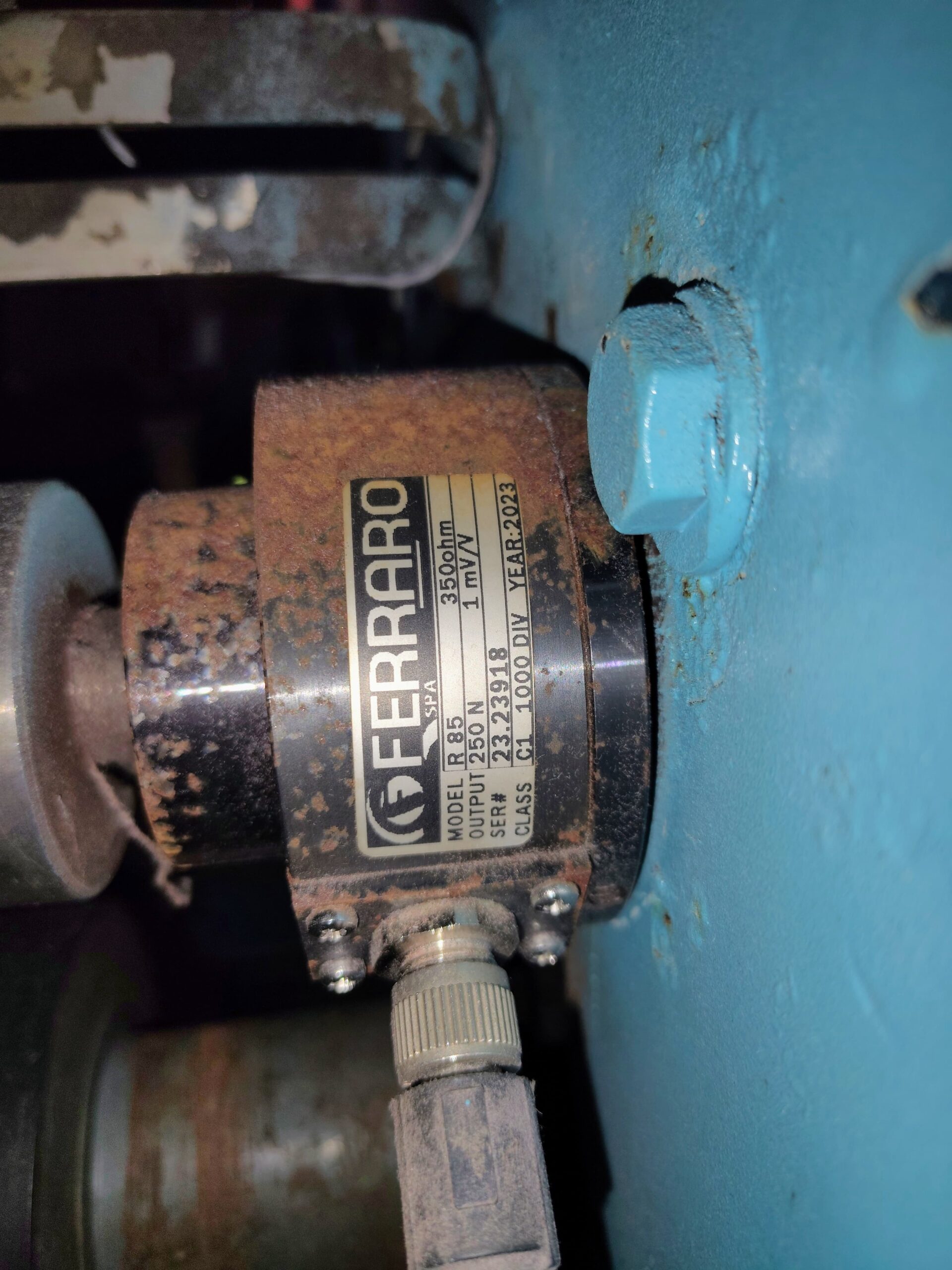
Textile machinery parts are also very important. These parts must be strong and work smoothly to keep the machines running well. Common textile machinery parts include rollers, gears, belts, sensors, and motors. A good supply of these parts helps prevent machine breakdowns and saves time.
As a textile machinery supply company, we offer high-quality textile machinery and textile machinery parts. Whether you need a new machine or just a small spare part, we are here to help. Our goal is to support your business with the best tools and service in the textile industry.
OVERVIEW
Textile machinery plays a big role in the production of fabric and garments. These machines are used in every step of the textile process, from spinning fibers into yarn to weaving or knitting yarn into fabric, and then dyeing, printing, and finishing the final product. With the help of modern textile machinery, manufacturers can produce high-quality textiles faster and more efficiently.
There are many types of textile machinery, such as spinning machines, weaving machines, knitting machines, dyeing machines, and finishing machines. Each type is designed for a specific task. For example, spinning machines convert raw fibers like cotton or polyester into yarn, while weaving machines turn yarn into fabric. Knitting machines are used to make knitted fabric, which is soft and stretchable.
Textile machinery parts are just as important as the machines themselves. Parts such as rollers, bearings, gears, belts, and motors ensure that the machinery runs smoothly and continuously. Regular maintenance and the replacement of worn parts are necessary to keep the machines in good working condition.
As a trusted textile machinery supply company, we provide both complete textile machines and high-quality textile machinery parts. Our goal is to help your production line run efficiently by offering reliable products and excellent customer service.
SPECIFICATION
Textile machinery comes in various models and sizes to suit different types of fabric production. The specifications may vary depending on the process, such as spinning, weaving, knitting, or dyeing. Modern textile machinery is designed for high-speed operation, durability, and energy efficiency.
Typical specifications of textile machinery include:
Speed: Ranges from 500 to 1500 RPM depending on the machine type.
Material compatibility: Works with cotton, polyester, wool, silk, and blended fibers.
Automation: Most machines are semi or fully automatic with digital control panels.
Power supply: Usually operates on 220V to 440V, 3-phase power.
Production capacity: Can produce up to 100 to 1000 meters of fabric per hour depending on the machine.
Size and weight: Varies with machine type; portable and heavy-duty options are available.
Textile machinery parts are made from high-quality metals and alloys. Common parts include rollers, gears, pulleys, belts, and motors. These parts are available in different sizes and can be customized to fit specific machine models.
As a textile machinery supply company, we provide machines and parts that meet global standards and support various textile production needs.
FEATURES
Textile machinery is essential in the fabric and garment manufacturing industry. These machines offer many features that improve speed, accuracy, and quality during production. Modern textile machinery is designed to handle high volumes of work with minimal human effort. This saves time, reduces labor costs, and increases overall productivity.
One important feature of textile machinery is automation. Many machines now come with automatic controls, sensors, and digital displays to monitor the process. This allows for easy operation, better precision, and fewer errors. For example, in spinning or weaving, automated settings help maintain consistent thread quality and fabric strength.
Another key feature is energy efficiency. Today’s textile machinery is built to consume less power while maintaining high performance. This helps factories save money and supports eco-friendly production.
Durability and easy maintenance are also major features. Strong and long-lasting textile machinery parts such as gears, belts, rollers, and bearings help keep the machines running smoothly for years. Replacing parts is simple and fast, which reduces downtime in production.
As a textile machinery supply company, we focus on offering machines and parts with these advanced features. Whether you need complete textile machines or specific textile machinery parts, we ensure high quality, fast delivery, and excellent support. Our goal is to help your textile business grow with reliable and efficient machinery solutions.
ENQUIRY NOW